
Root Canal Therapy
Root Canal Therapy
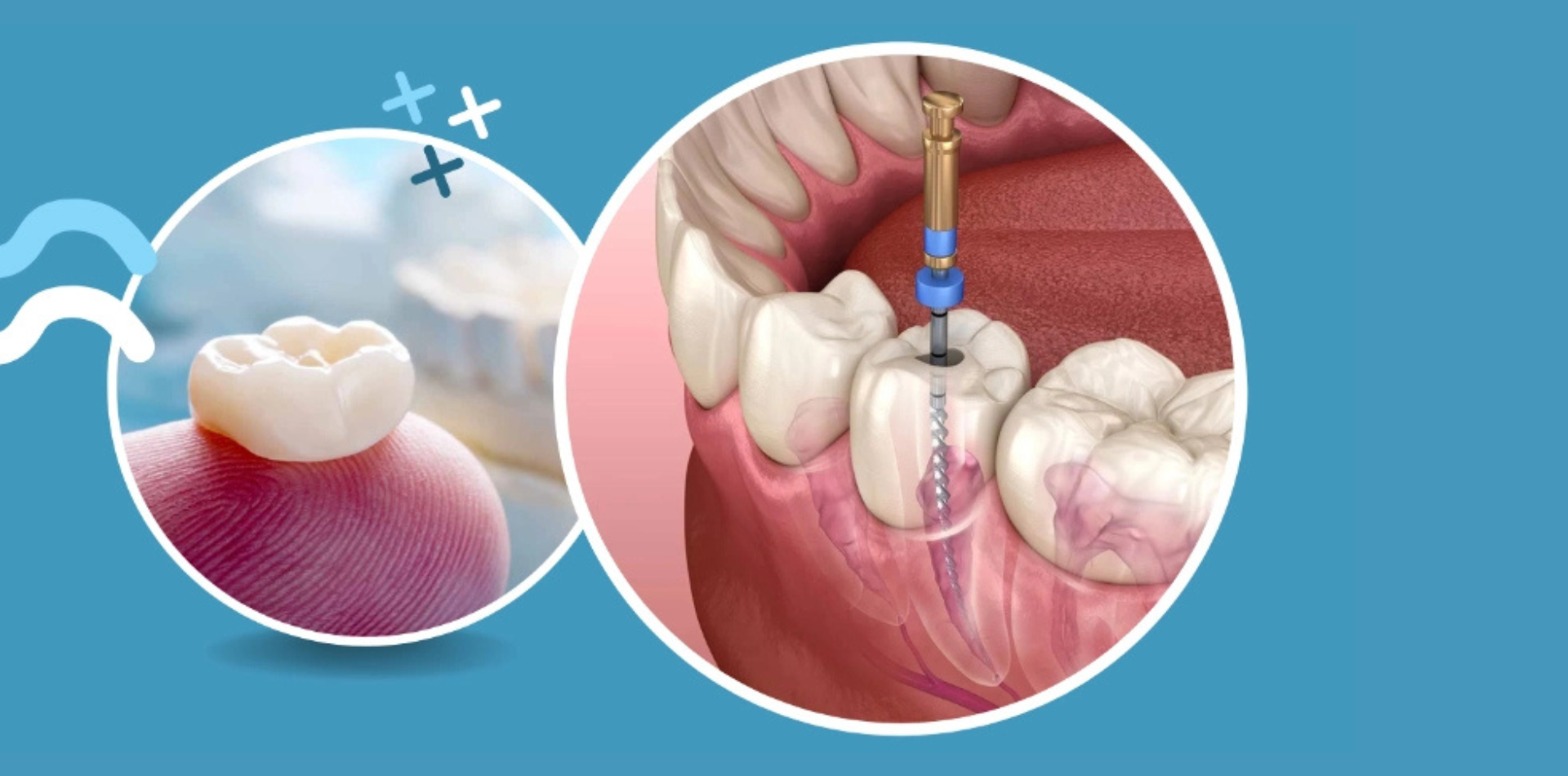
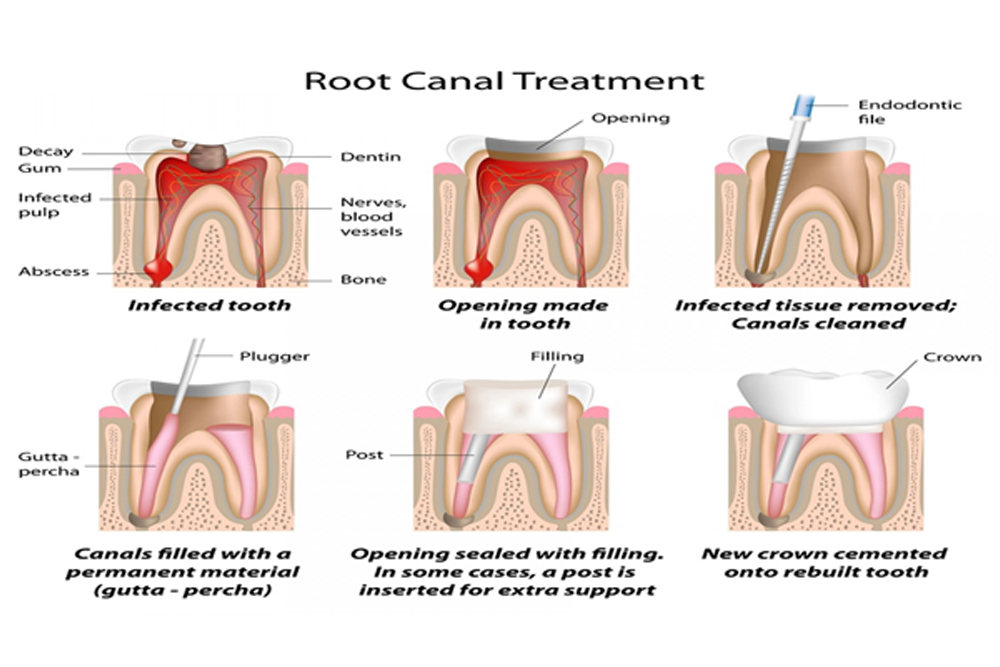
When a tooth has a deep cavity that is in contact with the nerves and blood vessels of the tooth, a root canal treatment is needed to save the tooth. In this treatment, the infected tooth is cleaned out and a filling material is placed in the roots of the tooth. A root canal treated tooth has a long life ahead of it and may require a crown to protect it.

Steps to a pain free root canal treatment

Step 1
During your initial consultation, the tooth is assessed clinically and with xrays. Antibiotics will be prescribed if you need a root canal treatment.

Step 2
After a week, your tooth is ready to be crowned (if indicated) and will be ready for action!
Step 3
Your procedure will be completed seamlessly and painlessly. You will be given clear post operative instructions with an emergency contact number in case of any issues after work hours.
Why Is Root Canal Treatment Needed?
A root canal is necessary when the pulp becomes inflamed or infected. Common symptoms include persistent toothache, sensitivity to hot or cold, swelling of the gums, tenderness while chewing, or darkening of the tooth. If left untreated, the infection can spread to surrounding tissues and lead to abscess formation or bone loss. Root canal therapy eliminates infection and prevents the need for tooth extraction.
Benefits of Root Canal Therapy
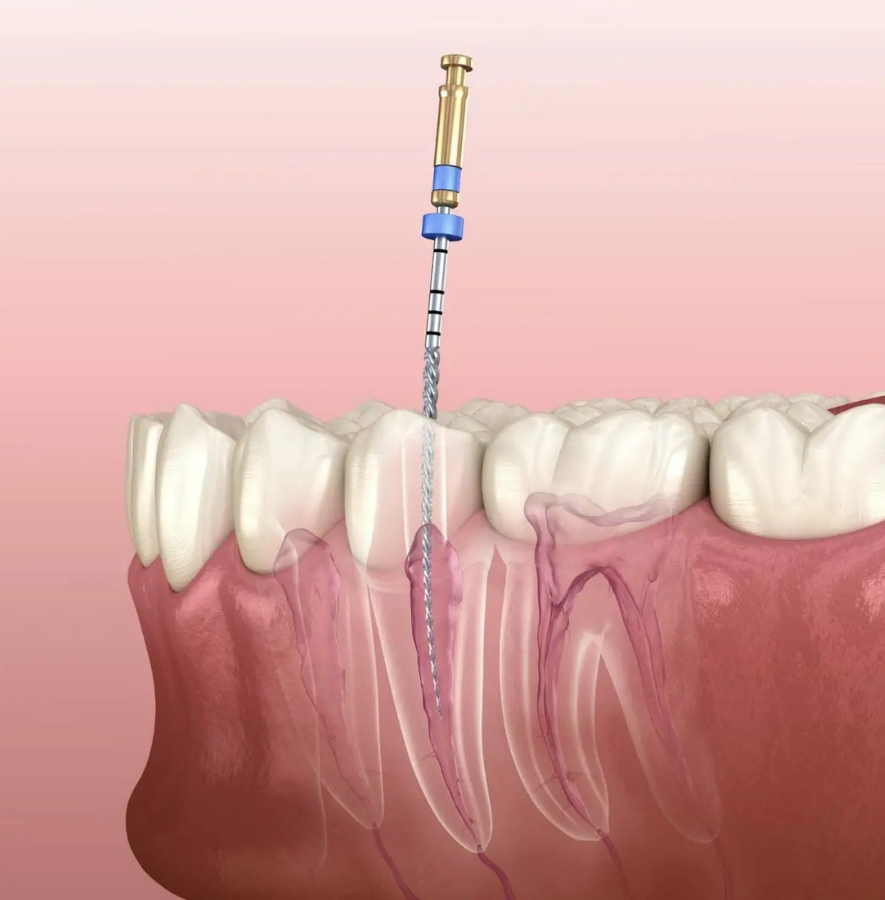
Root canal therapy preserves your natural tooth, maintains proper chewing function, and prevents neighboring teeth from shifting. It restores oral health while eliminating infection and discomfort. Saving the natural tooth is often the best long-term solution for maintaining a healthy smile.
Recovery and Aftercare
After the procedure, mild sensitivity may occur for a few days, which can be managed with prescribed medications. Maintaining good oral hygiene and attending follow-up appointments are essential to ensure the longevity of the treated tooth. With proper care, a root canal-treated tooth can last a lifetime.
Root Canal Therapy – FAQs
A lay person may say that it means that a root has been taken out or the nerve has been cut and the root filled thereafter. The real term is ‘Root Canal Therapy’, which is essentially treatment for the root structure of your tooth.
The top part of your tooth that is visible in the mouth is called the crown. It has an outer hard layer of enamel and a second softer layer with fine nerve endings in it called the dentin. The two layers together enclose and protect the nerve or pulp tissue which provides strength to the tooth. The nerve is sensitive to changes in temperature and pressure. The nerve tissue narrows down and continues down the entire length of the root and is housed in a narrow canal termed the root canal. The canal is just a passage in which the nerve is housed, and it ends up at the tip of the root. Teeth with multiple roots have a nerve running in each of the canals. Further, these nerves have several fine branches running criss-cross within the root. It is indeed a very complex system.
Depending on the status or stage of the infection the tooth may experience pain when biting and become sensitive to hot or cold liquids or food. As the infection progresses the bacteria that are now trapped inside the root start to multiply and release toxins and all of this starts up the process of inflammation or swelling. The tooth being a hard, closed structure, pressure is created, and a severe tooth ache develops. At other times, a childhood injury to the tooth can slowly show symptoms several years later with a change in colour of the tooth with some accompanying discomfort.
Want to schedule an appointment?
Appointment