
Dental Implants
Dental Implants
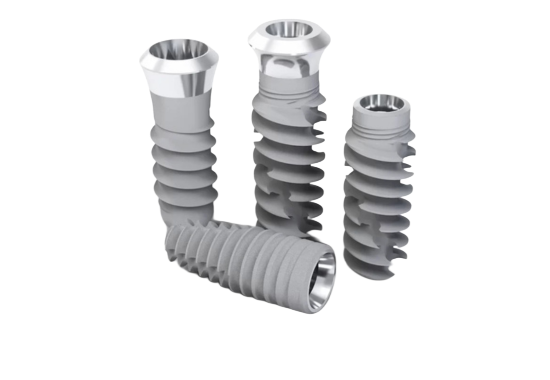
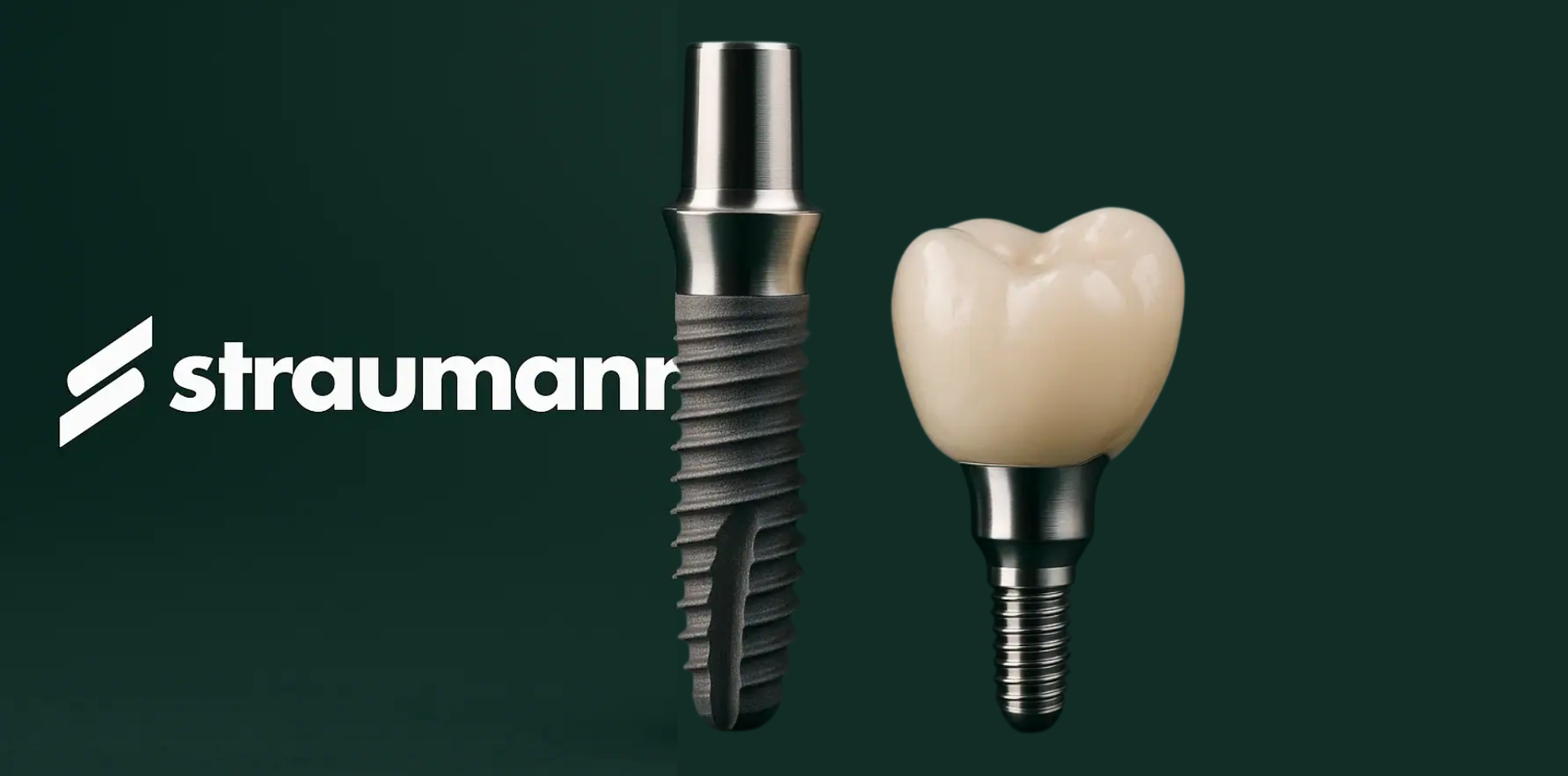
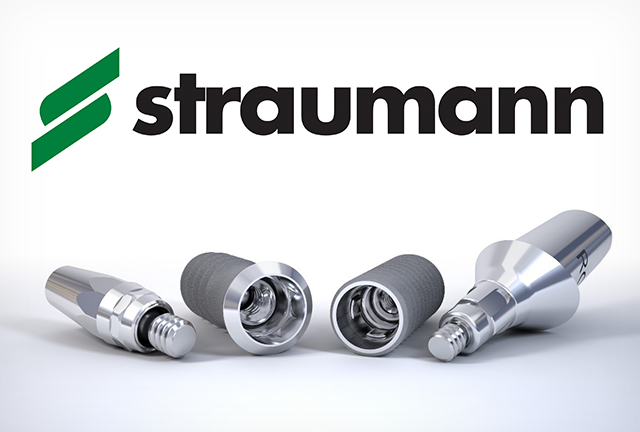
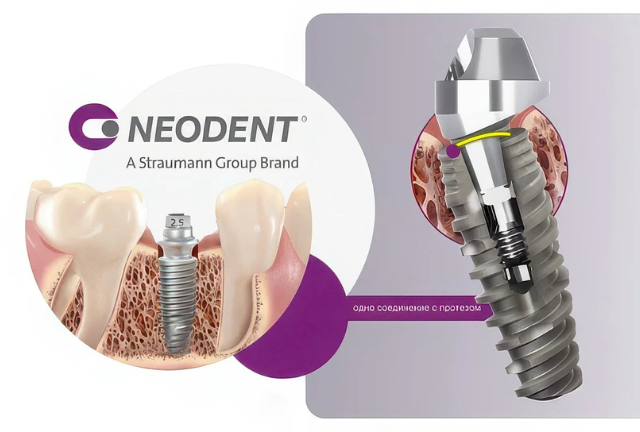
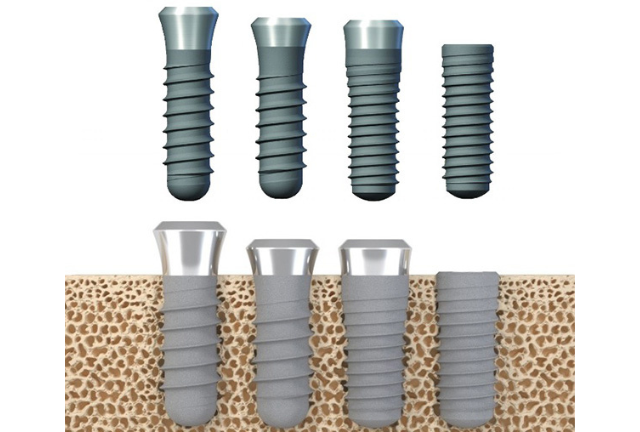
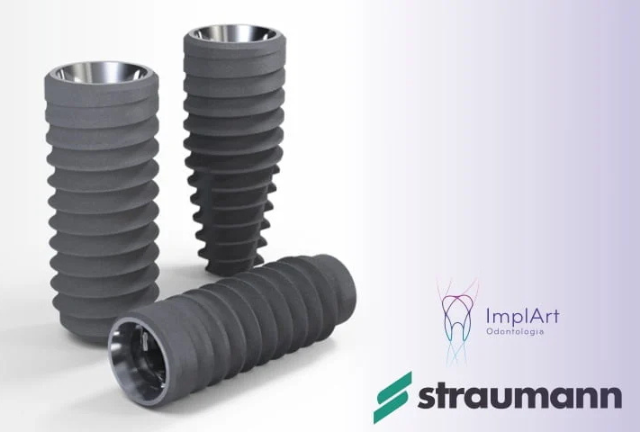
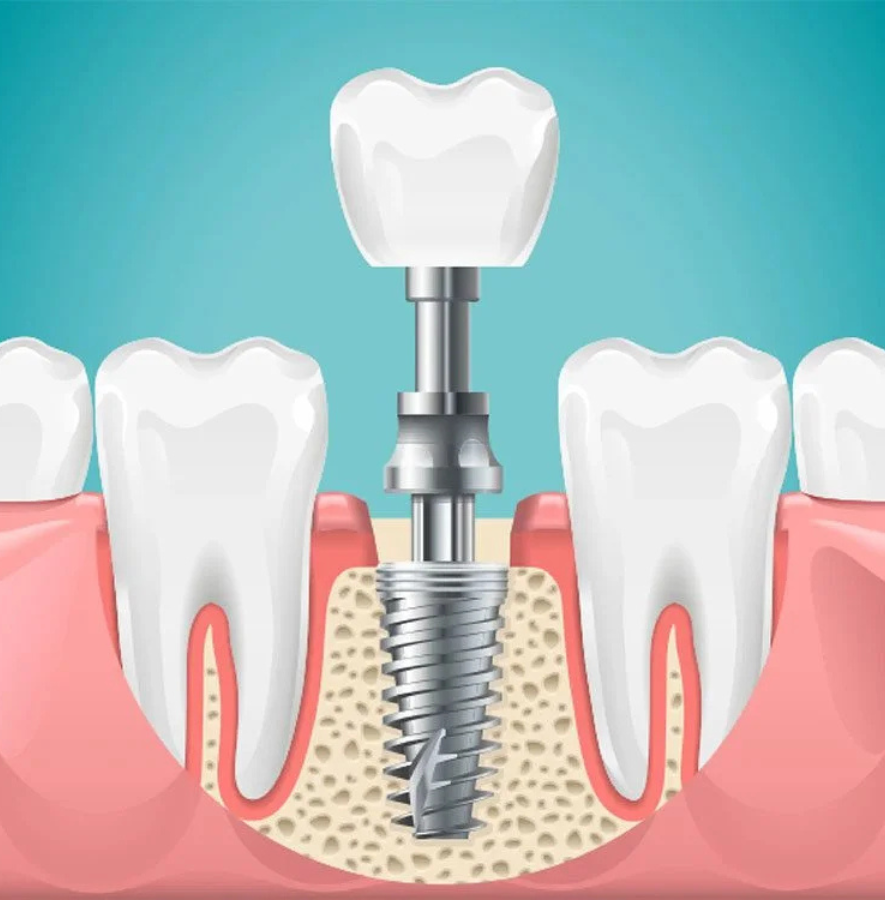
Dental implants are advanced, permanent solutions for replacing missing teeth. They consist of a small titanium post that is surgically placed into the jawbone, acting as an artificial tooth root. Once the implant integrates with the bone, a crown is placed on top to restore the appearance and function of a natural tooth. Dental implants look, feel, and function just like your original teeth.
Steps to the Perfect Implant

Initial Consultation
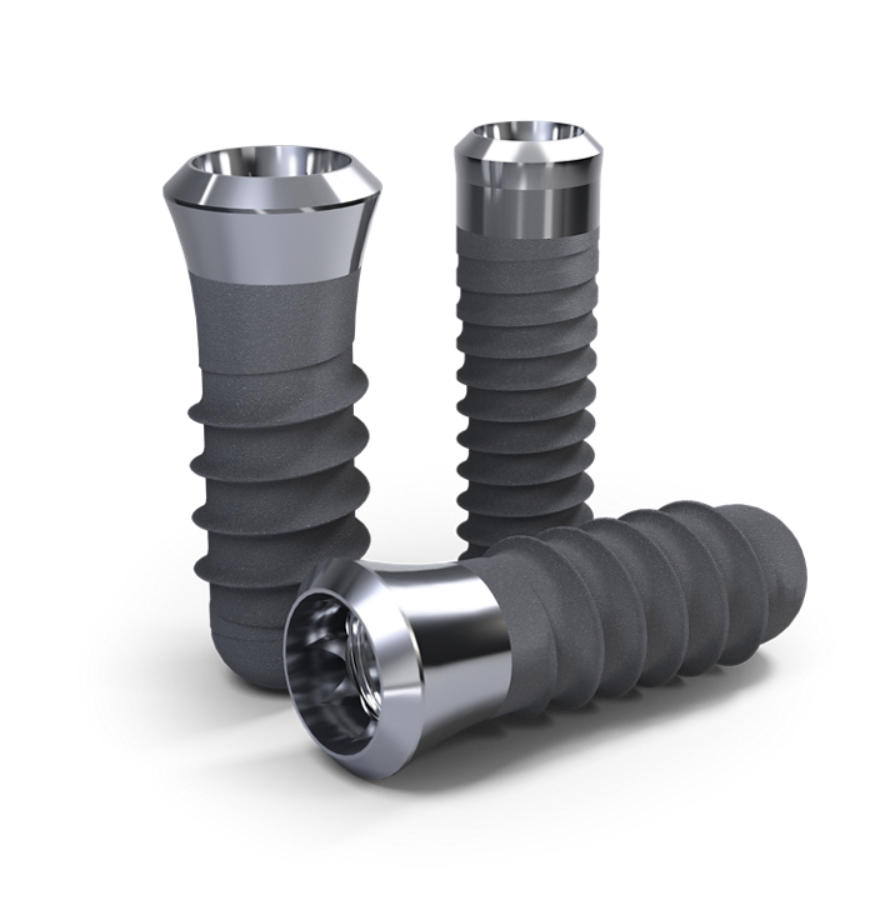
Make an appointment for a consultation with our team so we can understand your requirements.
Imaging
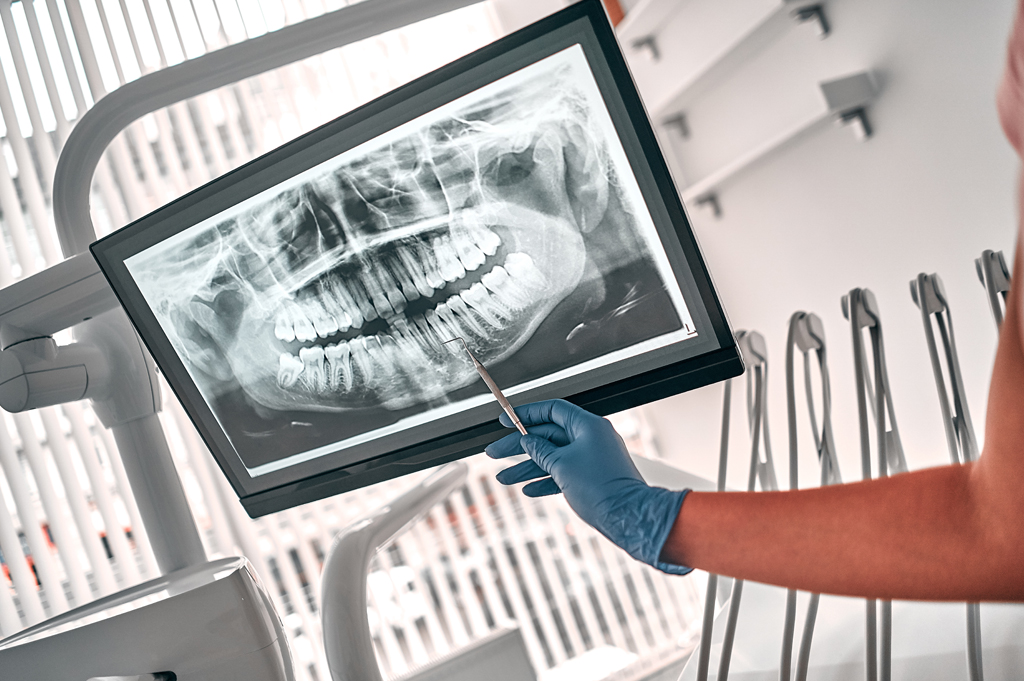
Xrays, scans and photographs are taken to help our team plan your treatment.

Implant Placement
Our team will schedule the implant placement at your convenience.
Dental Implant
Who Can Benefit from Dental Implants?
Dental implants are ideal for individuals who have lost one or more teeth due to decay, injury, or gum disease. Candidates should have healthy gums and sufficient jawbone support to hold the implant securely. Even patients who have experienced bone loss may be eligible with additional procedures such as bone grafting. A detailed consultation and examination help determine suitability.
Benefits of Dental Implants
Dental implants restore full chewing ability and improve speech clarity. They prevent bone loss by stimulating the jawbone, maintaining facial structure and preventing the sunken appearance that often follows tooth loss. Unlike removable dentures, implants are stable and do not shift while eating or speaking. With proper care, they can last for many years, making them a long-term investment in your oral health.
Aftercare and Maintenance
Caring for dental implants is similar to caring for natural teeth. Regular brushing, flossing, and routine dental check-ups are essential to maintain their longevity. Good oral hygiene helps prevent gum infections and ensures the long-term success of the implant.
Dental Implants – FAQs
Want to schedule an appointment?
Appointment